
Empty Leg Flights in the US
Empty leg flights are one-way trips a jet flies to get back into position, and they price below standard charter. A light jet from New York to Miami runs about $10,000 to $15,000 on a standard one-way. You book the leg, not the aircraft.
What empty leg flights cost
Empty leg flights are priced off the operator's repositioning cost, so a seat on a light jet typically lands well under the standard one-way rate for the same city pair. Expect the discount to track distance and aircraft type rather than a fixed percentage. A New York to Miami light jet one-way prices at $10,000 to $15,000, and a repositioning leg on that route comes in below it.
Empty leg prices are estimates confirmed at booking, not published fares you can hold. Operators price them close to departure because the jet has to move anyway. On short hops like Los Angeles to Las Vegas, a light jet standard one-way is $4,000 to $6,000, so a repositioning deal on 199 nautical miles has less room to fall than a transcon.

| Class | Seats | Per-hour ballpark | New York → Miami |
|---|---|---|---|
| Turboprop | 6-8 | $2,200–$3,500 | $8,000–$12,500 |
| Light jet | 4-7 | $3,800–$5,800 | $10,000–$15,000 |
| Midsize jet | 7-9 | $5,200–$7,800 | $13,500–$20,000 |
| Super-midsize jet | 8-10 | $7,200–$10,000 | $17,500–$24,000 |
| Heavy jet | 10-14 | $9,500–$14,500 | $23,000–$35,000 |









Weather and density altitude
Heat is the main operational constraint on summer empty legs, because a hot day at a high field cuts the payload a jet can lift. Denver-area fields run about 9,200 feet of density altitude in July, while Phoenix Deer Valley reaches about 5,400 feet at 115F. Operators plan fuel and passenger loads around those numbers before they confirm a leg.
At lower fields, weather affects schedule more than performance. Miami and Tampa sit near sea level with density altitude around 2,500 feet even at 115F, so summer thunderstorms and afternoon convection are the real delay risk. If a leg crosses Florida in August, then expect routing around storm cells and a later arrival.
Coastal fields bring a different pattern. San Francisco and Boeing Field keep density altitude under 2,000 feet, but marine fog can hold arrivals. If the field is below minimums, then the operator may delay or reposition the leg, and your quoted departure time moves with it.

| Month | High, avg | Wet days | KTEB DA | KVNY DA | KOPF DA |
|---|---|---|---|---|---|
| Jan | 40°F | 9 | -1,300 ft | 1,400 ft | 1,100 ft |
| Feb | 43°F | 11 | -1,100 ft | 1,600 ft | 1,300 ft |
| Mar | 49°F | 10 | -700 ft | 1,700 ft | 1,500 ft |
| Apr | 60°F | 12 | 100 ft | 2,100 ft | 1,700 ft |
| May | 70°F | 11 | 700 ft | 2,200 ft | 1,800 ft |
| Jun | 79°F | 11 | 1,300 ft | 2,700 ft | 1,900 ft |
| Jul | 85°F | 13 | 1,700 ft | 3,200 ft | 1,900 ft |
| Aug | 83°F | 12 | 1,600 ft | 3,300 ft | 1,900 ft |
| Sep | 77°F | 10 | 1,200 ft | 3,000 ft | 1,900 ft |
| Oct | 66°F | 9 | 500 ft | 2,700 ft | 1,700 ft |
| Nov | 54°F | 9 | -300 ft | 2,000 ft | 1,400 ft |
| Dec | 45°F | 11 | -900 ft | 1,500 ft | 1,200 ft |
Rain days means 1 mm or more of precipitation. DA figured at the mean afternoon high with a rough formula. Operators run their own performance numbers.
Aircraft types that run empty legs
Turboprops and light jets produce most of the empty leg inventory because they fly short repositioning hops most often. A turboprop cruises near 300 knots with a typical range of 1,500 nautical miles, which covers regional moves. Light jets carry 4 to 7 passengers at roughly 430 knots and suit the New York to Boston and Dallas to Houston runs.
Midsize and super-midsize jets appear on longer repositioning legs, with ranges of 2,100 and 3,200 nautical miles. Heavy jets show up less often but cover transcon and international moves. Every flight is flown by an operator holding FAA Part 135 authority and operational control, and we arrange the booking as your agent under DOT Part 295.

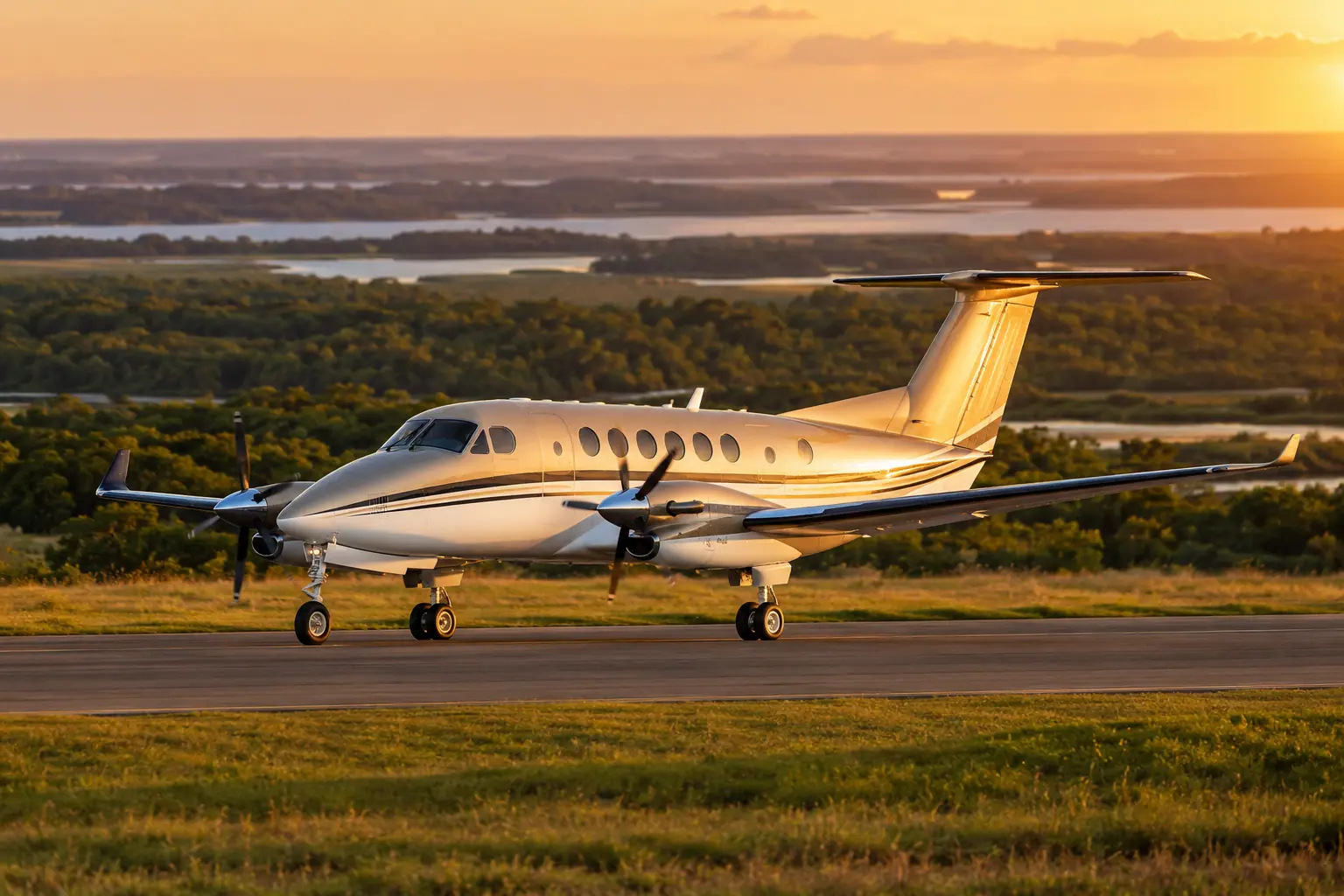
Turboprop
- 6-8 seats
- 300 kt cruise
- 1,500 nm range
Beechcraft King Air 350i, Pilatus PC-12 NGX

Light jet
- 4-7 seats
- 430 kt cruise
- 1,400 nm range
Embraer Phenom 300E, Pilatus PC-24

Midsize jet
- 7-9 seats
- 440 kt cruise
- 2,100 nm range
Hawker 800XP, Cessna Citation XLS+

Super-midsize jet
- 8-10 seats
- 470 kt cruise
- 3,200 nm range
Gulfstream G280, Cessna Citation X+
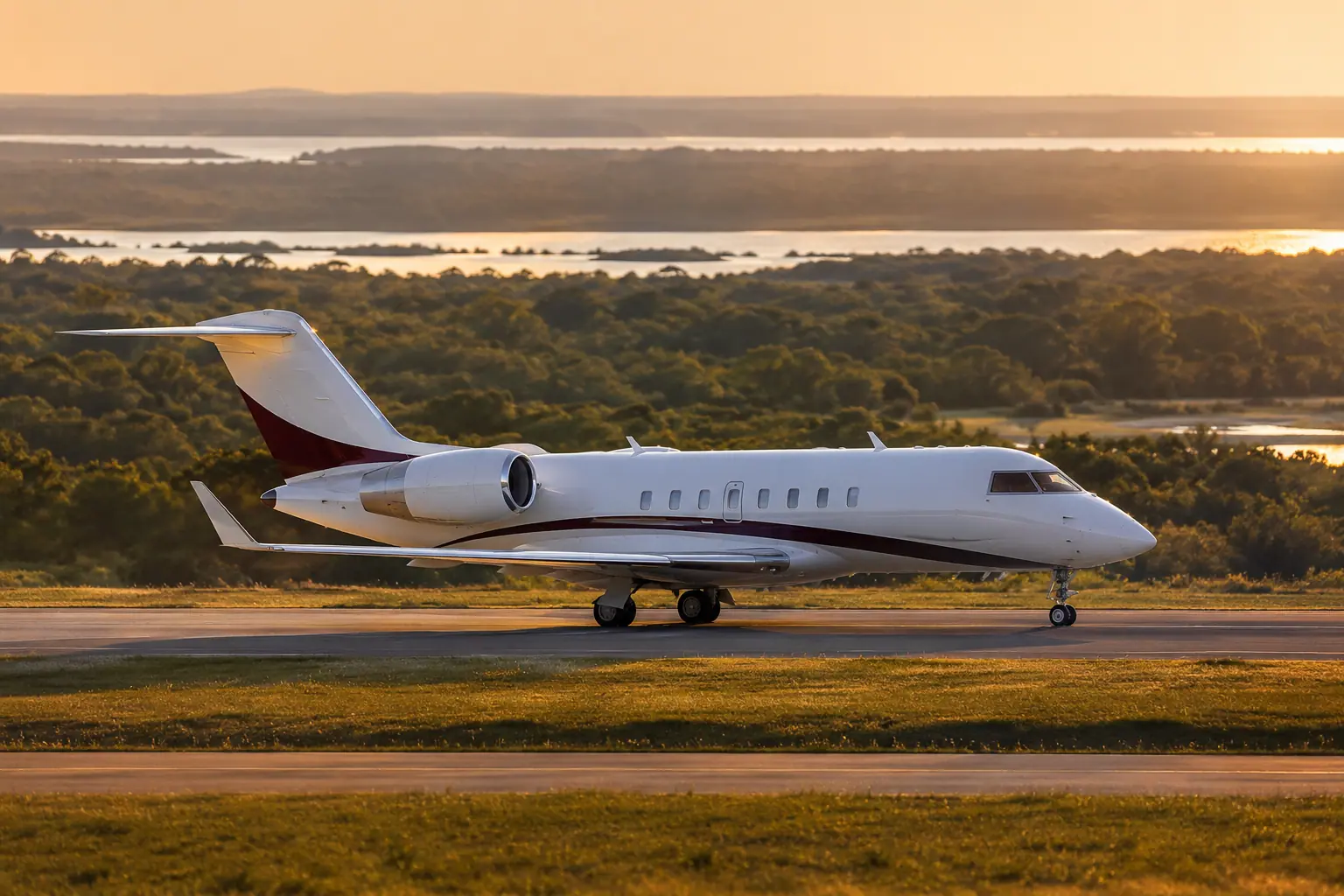
Heavy jet
- 10-14 seats
- 470 kt cruise
- 4,000 nm range
Bombardier Challenger 650, Dassault Falcon 900LX
Routes where empty legs are common
Empty legs cluster where aircraft reposition after dropping passengers, and the US Northeast to Florida corridor is the busiest example. New York to Miami is 949 nautical miles and takes about 2 hours 37 minutes in a light jet, so repositioning flights run both directions after weekend and event travel.
Los Angeles to Las Vegas is 199 nautical miles and 47 minutes, one of the shortest repositioning hops in the country. New York to Los Angeles covers 2,129 nautical miles at about 6 hours 15 minutes, which makes transcon empty legs rarer but more valuable when they appear. Seasonal moves to Aspen and the Hamptons add more.

- New York → Miami2h 37m
- New York → Los Angeles6h 15m
- Los Angeles → Las Vegas0h 47m
- New York → Palm Beach2h 30m
- Los Angeles → San Francisco0h 59m
- New York → Aspen4h 43m
- Los Angeles → Aspen1h 51m
- New York → The Hamptons0h 30m
- Chicago → New York1h 49m
- Dallas → Houston0h 48m
- Miami → Nassau0h 42m
- New York → Boston0h 41m
- Washington, DC → New York0h 46m
- Los Angeles → Cabo San Lucas2h 16m
- Dallas → Las Vegas2h 34m
- Chicago → Miami2h 48m
When empty legs appear through the year
Empty leg supply follows demand, so it peaks after holidays, long weekends and major events when jets reposition empty. The New York to Florida lane runs heaviest from November through April, when warm-weather travel pulls aircraft south and operators need to bring them back.
The gradient is visible in monthly temperatures and wet days. January highs average 40F with 9 wet days, while July averages 85F with 13 wet days, so summer legs face more convective weather. If you travel around a holiday, then book early, because the repositioning jet may be claimed days ahead.

Airports where empty leg flights start
Most empty legs leave from relief and executive airports rather than the big hubs, and the field you use changes the repositioning math. Teterboro and Van Nuys anchor opposite ends of the transcon market, and Florida fields handle the winter traffic.
A quick sort through these fields:


Teterboro Airport
- KTEB code
- 6,997 ft runway
- 0 mi to downtown New York
Teterboro sits 9 feet above sea level with a 6,997-foot runway and four FBOs, and it is the default New York departure point for empty legs heading south and west. On a 115F day, density altitude reaches about 2,300 feet, so summer departures can carry payload limits. The 2,227 miles to the West Coast make Teterboro-origin transcon empty legs the most valuable US repositioning trips when an operator needs to send a jet home.
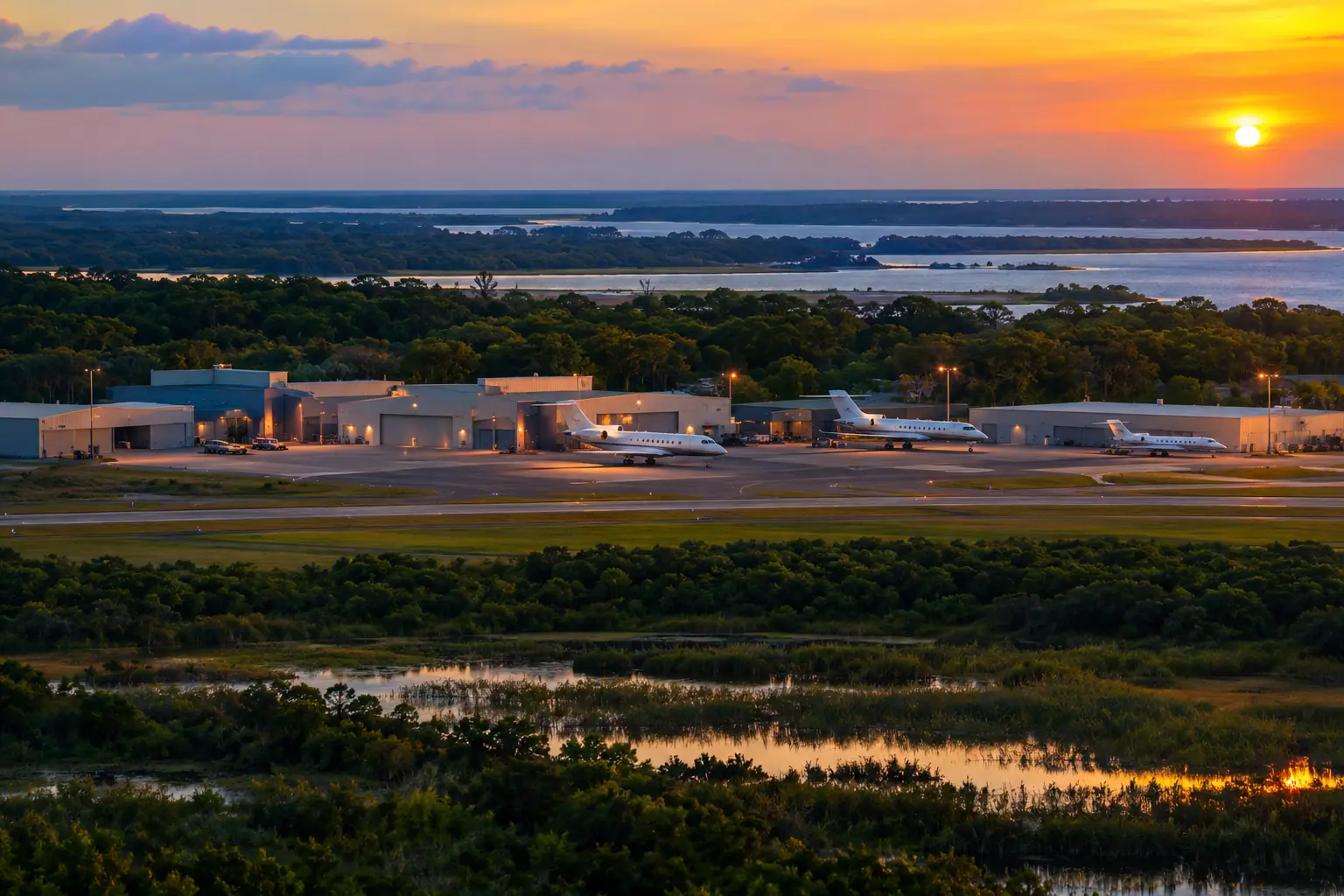
Van Nuys Airport
- KVNY code
- 8,001 ft runway
- 0 mi to downtown Los Angeles
Van Nuys is 802 feet up with an 8,001-foot runway and four FBOs, and it handles the Los Angeles end of most West Coast repositioning flights. Summer density altitude hits about 3,800 feet at 115F, which trims performance on heavy jets. The 229 miles to Las Vegas and 279 to San Francisco keep short empty legs flowing in and out of the field year round.

Miami-Opa Locka Executive Airport
- KOPF code
- 8,002 ft runway
- 0 mi to downtown Miami
Miami-Opa Locka sits 8 feet above sea level with an 8,002-foot runway and four FBOs, and it is the main South Florida field for repositioning flights. Density altitude stays near 2,500 feet even at 115F, so summer performance is rarely a limit. The 2,170 miles to Teterboro makes this the arrival point for empty legs coming down from New York.

Chicago Midway International Airport
- KMDW code
- 6,522 ft runway
- 0 mi to downtown Chicago
Chicago Midway is 620 feet up with a 6,522-foot runway and two FBOs, and it is the usual Chicago end for empty legs heading east. The 619 nautical miles to New York make a 1 hour 49 minute light jet trip and a steady repositioning lane. July density altitude reaches about 2,300 feet and 2,800 at 115F, which is manageable for most light and midsize jets.

Dallas Love Field
- KDAL code
- 8,800 ft runway
- 0 mi to downtown Dallas

William P. Hobby Airport
- KHOU code
- 7,602 ft runway
- 0 mi to downtown Houston
How to book an empty leg flight
Tell us the route and window
Give the city pair, dates and passenger count. We check live operator schedules for repositioning legs that match, including nearby fields when a closer airport has no match.
Review the quote and the operator
We send the estimate, aircraft type and the operator's certificate details. You see the total before you commit, and we confirm the leg is still open with the operator.
Confirm and clear documents
Once you approve, the operator holds the leg. For international arrivals, we coordinate CBP clearance, and TSA rules apply to passengers and bags as on any charter.
Fly the leg as scheduled
The operator controls the flight and the schedule. If weather or a repositioning change affects departure, we tell you as soon as we know and look for an alternative.
Common questions
What are empty leg flights?
Empty leg flights are repositioning trips a jet flies without paying passengers, and they are sold as one-way seats or full-aircraft charters at a discount. The operator has to move the aircraft anyway, so the price reflects that. A light jet New York to Miami standard one-way runs $10,000 to $15,000, and a repositioning leg prices below it.
How much can I save on an empty leg?
The saving depends on distance and aircraft, not a fixed percentage. Short hops like Los Angeles to Las Vegas, 199 nautical miles and 47 minutes by light jet, have less room to fall than a transcon. A 2,129 nautical mile New York to Los Angeles leg at 6 hours 15 minutes carries more repositioning cost and usually a deeper discount. All prices are estimates until confirmed.
Which airports have the most empty legs?
Teterboro and Van Nuys see the most US empty leg activity because they anchor the transcon market. Miami-Opa Locka handles the Florida end, and Centennial serves Aspen repositioning. Teterboro is 9 feet up with a 6,997-foot runway, Van Nuys is 802 feet with 8,001 feet, and both run four FBOs, which keeps repositioning options open.
Can I book an empty leg for a specific date?
You can request a date, but a leg exists only when an operator has a repositioning need. A New York to Miami light jet at 2 hours 37 minutes might be available one week and gone the next. If your date is fixed, we can quote standard charter alongside any empty leg match.
Who operates the flight?
The flight is flown by an operator holding FAA Part 135 authority, and that operator has operational control. We act as your agent under DOT Part 295 and do not own aircraft. For international legs such as Miami to Nassau, 161 nautical miles and 42 minutes, we coordinate CBP clearance with the operator.
How hot does it get and does that matter?
Heat matters at high fields. Centennial reaches about 9,200 feet of density altitude in July and 9,800 feet at 115F, and Harry Reid reaches about 5,800 feet in July. At those levels operators reduce payload or fuel, so a summer empty leg may limit baggage. Sea-level fields like Opa Locka stay near 2,500 feet and are rarely affected.